
Favorite Products For Sunroom Leak Fixes That Deliver Results
Learn about popular leak repair products that provide easy application and lasting protection for your sunroom.
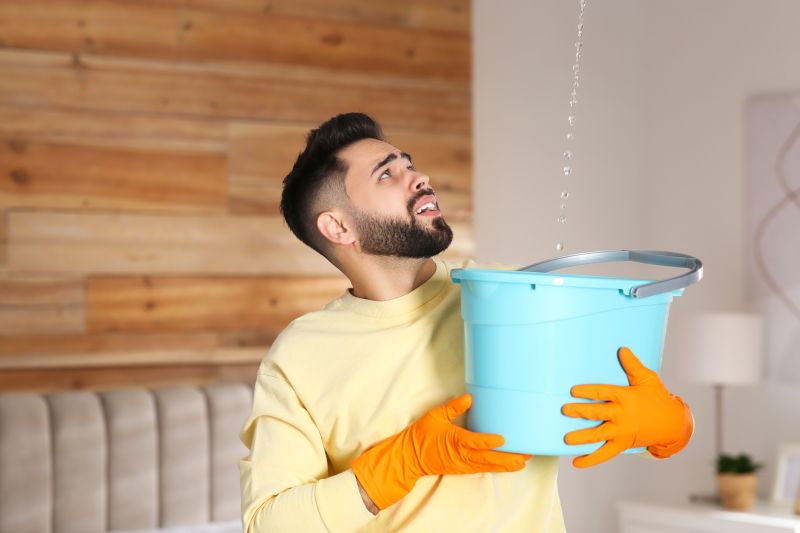 Sunroom leak repairs are essential for maintaining the integrity and comfort of your outdoor living space. When leaks occur, they can lead to water damage, mold growth, and structural issues if not addressed promptly. Selecting the right products for repair depends on the type of leak, the materials involved, and the severity of the issue. From small cracks to larger gaps, there are various solutions designed to seal and waterproof sunroom structures effectively.
Top Overall Option
High-Performance Sealant
A versatile, high-quality sealant designed for multiple surfaces within sunroom structures. It offers excellent adhesion, flexibility, and weather resistance, making it suitable for sealing roof seams, window joints, and wall penetrations. Its ease of application and durable finish help create a reliable barrier against water infiltration, supporting long-term protection for your sunroom.
Types of Products For Sunroom Leak Repairs
Silicone Sealants
Flexible and waterproof, ideal for sealing window and door gaps in sunrooms.
Polyurethane Sealants
Durable and elastic, suitable for larger cracks and structural joints.
Acrylic Caulks
Paintable and easy to apply, good for minor cracks and surface sealing.
Roofing Tape
Self-adhesive waterproof tape for quick fixes on roof seams and flashing.
Liquid Rubber Coatings
Provides a seamless waterproof barrier for roofs and flat surfaces.
Butyl Tape
Heavy-duty tape used for sealing around window frames and wall penetrations.
Epoxy Resins
Used for repairing structural cracks and reinforcing damaged areas.
Waterproof Paints
Applied to exterior surfaces to add an extra layer of water resistance.
Flashings and Metal Seals
Metal components that redirect water away from vulnerable joints.
Gutter Sealants
Seal gutter joints and downspouts to prevent water leaks.
Weatherproofing Sprays
Sprays that provide a protective coating against water and moisture.
Roof Patch Kits
Complete kits for patching holes or tears in roofing materials.
Adhesive Backed Flashing Tape
Flexible tape for sealing around vents, skylights, and seams.
Flexible Sealant Cartridges
Cartridges for use with caulking guns to seal joints and cracks.
Polymer-based Sealants
Highly elastic and durable, suitable for dynamic joints prone to movement.
Sealant Removers
Products designed to clean old or unwanted sealants before applying new repairs.
Popular Choices
Widely used for their waterproof and flexible properties, suitable for various sunroom repairs.
Known for their durability and elasticity, often used in structural sealing.
Popular for creating seamless waterproof layers on flat and sloped surfaces.
Convenient for quick, temporary, or permanent fixes on roofing joints.
Common for minor cracks and surface sealing in sunroom frames.
Favored for its strong adhesion and waterproofing around window and door frames.
Popular for sealing gutter joints and preventing water leaks from runoff.
Applied to exterior surfaces to enhance water resistance and protect against leaks.
Trusted for repairing tears or holes in roofing materials quickly.
Versatile for sealing joints that experience movement or expansion.
Used for reinforcing structural cracks and restoring damaged areas.
Helpful for preparing surfaces before applying new repair products.
Popular for providing an additional water-resistant coating on surfaces.
Commonly used for redirecting water away from vulnerable joints and seams.
Favored for its ease of application around vents and skylights.
Chosen for their high elasticity and long-term durability in dynamic joints.
Proper repair begins with identifying the source of the leak, which might originate from roof seams, window joints, or wall penetrations. Once the source is located, choosing the appropriate repair products ensures a durable and long-lasting fix. Many repair options are designed for ease of use, allowing homeowners or contractors to perform repairs with minimal tools or expertise. Additionally, understanding the compatibility of repair materials with existing surfaces helps prevent future leaks and extends the lifespan of the sunroom.
In addition to sealing products, there are waterproofing coatings and sealants that can provide an extra layer of protection against water infiltration. These products often come in various formulations suitable for different surfaces such as glass, metal, or wood. When selecting repair products, it's important to consider factors such as weather resistance, flexibility, and adhesion properties to ensure they perform well over time. Regular maintenance and inspections are recommended to catch potential leaks early and apply repairs as needed, preserving the sunroom's functionality and appearance.
Key Buying Considerations
- Compatibility with existing sunroom materials such as glass, wood, or metal.
- Weather resistance features to withstand rain, wind, and temperature fluctuations.
- Flexibility and elasticity to accommodate structural movement or expansion.
- Ease of application, including tools required and drying time.
- Durability and longevity of the repair product over time.
- Ability to adhere well to surfaces without peeling or cracking.
- Waterproofing capabilities to prevent future leaks effectively.
- Compatibility with paints or coatings if additional finishing is desired.
- Resistance to UV rays to prevent degradation from sunlight exposure.
- Suitability for different types of leaks such as cracks, seams, or penetrations.
- Availability of color options if visual matching is important.
- Cost-effectiveness for the scope of the repair project.
- Environmental considerations, such as VOC content (if relevant).
- Shelf life and storage stability of the repair products.
- Application instructions and user-friendliness for DIY repairs.